Category Archives: gospodarstvo
Weekend reading
- Kako prebroditi »dolino smrti – Jože P. Damijan & Drago Babič
- The Distribution of Gains from Globalization – Lang & Mendes Tavares
- The consumer benefits of trade agreements – Berlingieri, Breinlich & Dhingra
- Google, Facebook and Apple face ‘digital tax’ on EU turnover – Financial Times
- Budget deficits, fiscal councils and authoritarian regimes – Simob Wren-Lewis
- Towards a Union in the Union – Thomas Piketty
- When Shall We Overcome? – Joseph E. Stiglitz
- The Household Fallacy – Roger E. A. Farmer
- The New Fama Puzzle, post-ZLB – Econbrowser
- Graphs for the Most Basic of Business Cycle Macro Analyses – Brad DeLong
- Identification Is Not Causality, Causality Is Not Identification – Marc Bellemare
- Trade Wars Can Be a Game of Chicken. Sometimes, Literally. – NYTimes
- Ergodicity – Roger E. A. Farmer
Poslovilno pismo luških žerjavistov bivšemu predsedniku vlade Miru Cerarju
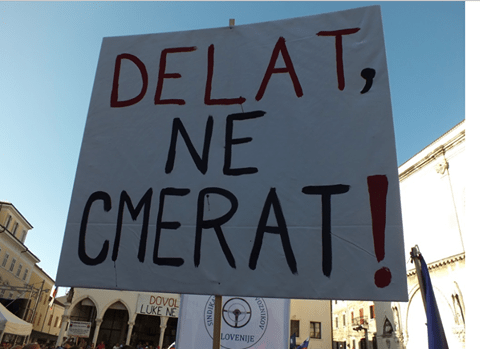
Dragi Miro,
če bi nas poslušal, bi že zdavnaj dal čelado na glavo, si obul škornje, nataknil rokavice, zasadil prvo lopato nekje pri Kopru ali na Črnem Kalu in se ponosno sončil na vseh naslovnicah. Če bi nas poslušal, bi po trasi drugega tira, mogoče tudi dveh drugih tirov, že orali bagerji. Če bi nas poslušal, Luka Koper ne bi grozilo, da ji bodo veliko posla speljali Italijani, ker Avstrija pospešeno gradi 9 milijard težak projekt železniške povezave do italijanskih severnojadranskih pristanišč, tudi do nam sosednjega in s tem konkurenčnega Trsta. Prehiteli nas bodo zaradi tvojega mencanja, zaradi prvega in zdaj še drugega referenduma ter zaradi tvojega odstopa. Kaj to pomeni za Slovenijo, se ve, adijo visoki dobički, adijo milijoni za državni proračun, od katerih dobivaš plačo tudi ti in tvoji sodelavci, ki so pomagali skuhati to čorbo.
Cerarjev odstop je izogibanje odgovornosti
Stanko Štrajn
Komisija Ministrstva za infrastrukturo je pod vodstvom Jožeta Talerja ugotovila in potrdila vse ugotovitve, ki jih je ugotovila tudi kritično razmišljujoča javnost, ki ni tako neumna, da bi verjela, da je vse res, kar piše.
Komisija je ugotovila, kaj vse je pri odločitvi o oddaji naročila narobe, ni pa ugotovila, če pa je, pa v svojem poročilu tega ni navedla, kdo je odgovoren za takšno ravnanje. Kdo je bil malomaren ali kdo je namerno povzročal škodo in na račun proračunskega denarja omogočal okoriščanje obeh ponudnikov izdelave makete. Zlasti komisija ni preverila, ali so strokovne službe Direkcije za infrastrukturo in njenega inženirja DRI d. o. o. ravnale po lastni iniciativi, ali so samo izpolnjevali delovne naloge in naročila, ki bi jih po hierarhiji pričakovali po lestvici od Vlade, preko Ministrstva do Direkcije.
Če so strokovne službe že zagrešile računske napake, niso znale uporabljati excela, niso spoštovale lastnih razpisnih pogojev in so povzročile škodo proračunu, je ključno vprašanje, zakaj pristojni funkcionarji Damir Topolko, Jure Leben, Peter Gašperšič in na koncu še Miro Cerar niso takšnega škodljivega ravnanja strokovnih služb Direkcije preprečile. Zakaj je še po tem, ko je civilna družba na Damijanovem blogu javno dokazala zlorabe proračuna in jasno obrazložila, zakaj je odgovor Ministrstva za infrastrukturo, norčevanje iz državljanov in njihove pravice vedeti, kako in zakaj Vlada troši javni denar, saj je Damir Topolko zavajajoče na TV odmevih ves škandal prikazoval kot neko nepomembno napako, pomoto in brez občutka sramu povedal, da ne bo odstopil.
Topolkova maketa ne ustreza razpisnim pogojem
Mirko Troha
V medijih so se pojavile slike makete 2. tira, ki je razstavljena v Kopru. Pri tem smo celo iz 100 km oddaljene Ljubljane opazili, da zelo verjetno Topolkova maketa v Kopru ne ustreza zahtevam naročnika DRSI, zapisanim v razpisni dokumentaciji. Žal je Damir Topolko pohitel z odstranitvijo makete in nismo mogli naših sumov preveriti v Kopru.
Če pustimo ob strani cilje, ki so napisani v specifikaciji naročila in se jim smejejo vrabci na ljubljanskem gradu, da bo maketa služila za usklajevanje s partnerji za sklenitev formalnega sporazuma za izvedbo projekta in da bo maketa pripomoček, s pomočjo katerega bo možno reševati dileme, kot so dostopne poti, način izvedbe in podobno, je bolje, da pogledamo, kaj piše v navodilih za pripravo ponudbe in izhodišča za pripravo makete.
Kdo je kriv za odstop Mira Cerarja? Sam in edino sam
Odstopni nastop pred mediji odhajajočega predsednika vlade Mira Cerarja je izvenel v obtoževanju drugih za fiasko njegove vlade glede drugega tira. Prvič, povedal je, da je bila odločitev Vrhovnega sodišla kaplja čez rob in s tem podvomil v pravno državo. Profesor ustavnega prava na čelu vlade se je poslovil z insinuacijo, da bi bila odločitev Vrhovnega sodišča lahko politična. In to po poprejšnji odločbi Ustavnega sodišča, po kateri se je Vrhovno sodišče moralo ravnati. Edini manevrski prostor Vrhovnega sodišča je bil med možnostima, da kljub vladnemu kršenju referendumske zakonodaje izid referenduma vseeno sprejme ali pa zateva nov referendum. Dvom v pravno državo je slaba popotnica za profesorja ustavnega prava v demokratični državi.
In drugič, obtožil je lobije in koalicijske partnerje, ki da so ga ves čas ovirali pri izvajanju projekta drugi tir. To je seveda popolni nonsens, kajti za vse težave pri izvajanju tega projekta si je kriv izključno sam. Njegova napačna presoja, uporabljena napačna strategija in zanašanje na napačne ljudi. In njegovo trmasto vztrajanje pri tem, da strategije ne spremeni in da sodelavcev ne zamenja, čeprav smo ga vsi glasno opozarjali na to. Vse to so karakteristike slabega vodje. Očitno nikoli ni prebral ali pa dojel Sun Tzujevega “The Art of war“.
Na Topolkovi Direkciji se take napake ne dogajajo POGOSTO
Mirko Troha
V oddaji Odmevi, 13.3.2018, je nastopil direktor Direkcije za infrastrukturo, Damir Topolko, ki nam je zagotovil, da se take napake, da pomotoma izberejo več kot 2-krat dražjo ponudbo, ne dogajajo POGOSTO. Njegovo izjavo si lahko razlagamo, da se sem in tja, kdaj pa kdaj to lahko zgodi, ampak nikakor ne POGOSTO. Hvala g. Topolko, zdaj smo pomirjeni in vemo da je projekt drugega tira, ki ga cenijo med 0.7 in 1.4 milijarde evrov v varnih rokah.
Poglejmo nekaj izjav direktorja Damirja Topolka, človeka, ki je brez gradbene izobrazbe, vendar ga to ne moti pri vodenju Direkcije, ki je, kot pravi, »resna in profesionalna inštitucija«, ki se »POGOSTO« ukvarja z gradbenimi projekti.
Kolikokrat se je dovoljeno zmotiti pri izračunih ocen ponudb na javnem razpisu, preden moraš odstopiti?
Zgodbe glede napačne izbire (ekonomsko) najbolj ugodnega ponudnika makete 2. tira sploh še ni konec. Dejansko se je šele začela odpletati. Zgodba, čeprav v bistvu enostavna in jo je najbrž mogoče poimenovati s tujko “b.. r…..g” (sami vstavite črke), je zelo kompleksna v izpeljavi, kajti pri izbiri najbolj ugodnega ponudnika na tem razpisu je šlo narobe vse, kar je mogoče iti narobe: (1) izračun točk za oceno najbolj ugodnega ponudnika, (2) sum dogovorjenih ponudb na razpisu in (3) neustreznost končnega izdelka glede na zahteve javnega naročila. Vse troje bomo tukaj podrobneje predstavili.
Naj danes za začetek osvetlim le prvo “napako”. Minister za infrastrukturo je namreč v ponedeljek imenoval štiričlansko Komisijo za pregled izračuna meril v postopku oddaje javnega naročila (…) makete drugega tira. In ta komisija je v svojem poročilu hitro ugotovila, da pri izračunih ni prišlo samo do ene napake, pač pa do dveh serij napak. V prvi seriji je izbirna komisija narobe izračunala praktično vse, tako po cenovnem kriteriju kot po kriteriju kvalitete. Nato je svojo oceno posredovala naprej Direkciji (DRSI). Na Direkciji so odpravili napako v izračunih po kriteriju kvalitete (in obema ponudnikoma pripisali pravilne ocene), nato pa pri kriteriju cene oebema ponudnikoma med seboj zamenjala oceni (pri čemer je bila pri enem ponudniku ocena povsem napačna še iz prve serije).
Padel referendum o zakonu o drugem tiru. Živel drugi tir !
Zavrnitev veljavnosti referenduma o zakonu o drugem tiru sama po sebi nič ne pomeni. Za gradnjo drugega tira zakon ni bil potreben in ni potreben. Vlada lahko drugi tir začne graditi tako kot gradi in obnavlja vse ostale avtocestne in železniške odseke, samostojno sproračunskim denarjem ali s sofinanciranjem iz EU sredstev. Za nobenega od teh odsekov ni bilo posebnega zakona, ker to ni potrebno. Ta zakon si je vlada izmislila samo zato, da bi lahko v zgodbo pripeljala Madžarsko in ji podarila del Luke Koper.
Je pa ta zvrnitev nerodna za vlado, ker je razgalila, kako je vlada namerno kršila zakon o referendumih, da bi lahko manipulirala z javnim mnenjem in pri tem nesmotrno trošila javni denar. In ta odločitev prihaja sočasno z vladno blamažo glede naročila makete o drugem tiru, kjer se je prav tako izkazalo, da je vlada manipulirala pri izbiri izvajalcev in da je s poneverjanjem pri točkovanju ponudb izbrala dvakrat dražjega izvajalca.
Maketa 2. tira in manjkajoč odstop odgovorne osebe
Stanko Štrajn
Včeraj, 12.3.2018, je RTV Slovenija v TV Dnevniku seznanila javnost, da bo Direkcija za infrastrukturo o oddaji naročila za maketo drugega tira Divača-Koper uvedla notranji nadzor. Ta informacija bi morala v javnosti povzročiti zgražanje in ogorčenje. Iz natančne preveritve napak pri oddaji naročila izdelave makete drugega tira, ki je sicer povsem nepotreben kič, je jasno razvidno, da je Direkcija za infrastrukturo – celo, če štejemo njen javni razpis za korekten – neposredno povzročila škodo najmanj v višini razlike med izbrano in najugodnejšo ponudbo, to je znesek 72.732 evrov. Torej državni proračun je oškodovan dejansko za nepotrebne stroške v višini 133.590 evrov, oziroma najmanj za 72.732 evrov.


You must be logged in to post a comment.