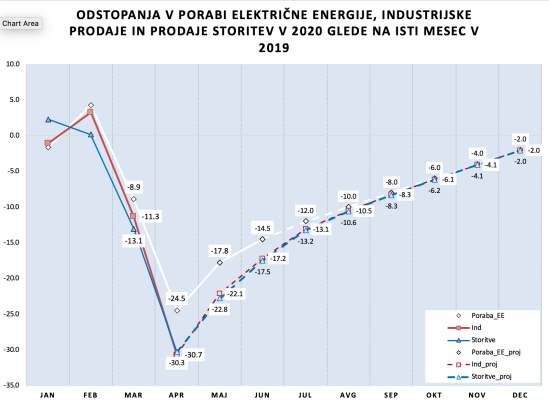
Nobelovec Joseph Stiglitz ima praktično identične poglede na to korona krizo in načine spodbujanja okrevanja. Preberite si predvsem dobro izpostavljene razloge za pesimizem glede okrevanja in zakaj bo zaradi povečanja neenakosti izjemno težko povrniti zasebno povpraševanje na predkrizno raven. V nadaljevanju pa tudi Stiglitz navaja dokaj podobne nasvete glede načinov spodbujanja “usmerjenega okrevanja” prek zelene energetske transformacije, digitalizacije in k boljšim delovnim mestom prihodnosti.
Although it seems like ancient history, it hasn’t been that long since economies around the world began to close down in response to the COVID-19 pandemic. Early in the crisis, most people anticipated a quick V-shaped recovery, on the assumption that the economy merely needed a short timeout. After two months of tender loving care and heaps of money, it would pick up where it left off.
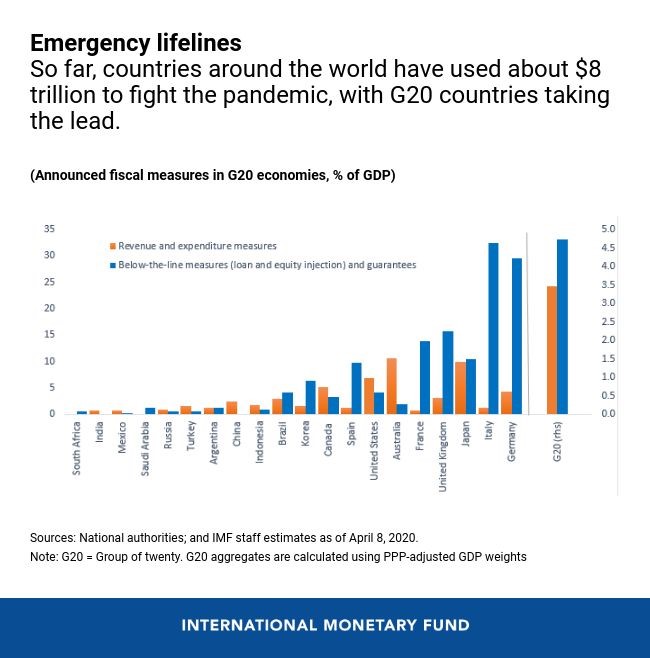
It was an appealing idea. But now it is July, and a V-shaped recovery is probably a fantasy. The post-pandemic economy is likely to be anemic, not just in countries that have failed to manage the pandemic (namely, the United States), but even in those that have acquitted themselves well. The International Monetary Fund projects that by the end of 2021, the global economy will be barely larger than it was at the end of 2019, and that the US and European economies will still be about 4% smaller.



You must be logged in to post a comment.