Yanis Varoufakis slikovito primerja kitajsko kapitulacijo leta 1842 napram V. Britanije z evropsko kapitulacijo leta 2025 napram Amerike. Takrat je Kitajska po vojaškem porazu poslala svojega najvišjega uradnika, Qiyinga, v Nanjing podpisat kapitulacijo proti V. Britaniji in bila posledično prisiljena podpisati Nankinško pogodbo, s katero je dala Britancem skoraj vse, v zameno pa je dobila nič oziroma le trajno ponižanje. Skoraj dve stoletji kasneje je Ursula von der Leyen, predsednica Evropske komisije, šla na Škotsko in v Trumpovem golf resortu podpisala gospodarsko kapitulacijo EU, imenovano trgovinski sporazum z ZDA. Pri tem je brez vojaškega poraza, vendar pod carinskim pritiskom, sprejela velike koncesije. EU je s tem sporazumom dala vse, dobila pa nič.
Toda ta akt (trgoivinske) kapitulacije proti ZDA s strani von der Leynove je le zadnji izmed njenih aktov popolne kapitulacije in popolne podreditve EU, ki jo formalno vodi, ameriškim interesom. Spomnite se cepiva za Covid, dogodkov v letu pred začetkom vojne v ukrajini, reakcije na začetek vojne v Ukrajini in sankcij na uvoz plina in nafte iz Rusije, da bi omogočila uvoz ameriškega plina, in pristanka na dvig “obrambnih” izdatkov na 5 % BDP ter suspenza fiskalnega okvirja, da bi lahko evropske države kupovale več ameriškega orožja. Nato se spomnite “zelenega dogovora”, ki je izrecno izločil najizdatnejši, najbolj brezogljični in najcenejši vir električne energije (jedrska energija) iz nabora “čistih tehnologij”.
Slednje je zagnalo začetek deindustrializacije Evrope, ki sta ga nato reakcija na začetek vojne v Ukrajini (sankcije) in prepoved uvoza ruskega plina samo pospešila, trgovinska kapitulacija (z zavezo nakupa ameriškega plina v vrednosti 750 milijard dolarjev in 600 milijard dolarjev investicij evropskih podjetij v ZDA) in povečanje izdatkov za “obrambo” in zavezo nakupe ameriškega orožja pa ga bosta dokončali. Von der Leynova je s svojimi dejanji pognala EU v stoletje nazadovanja in ponižanja.
In 1842, broken and defeated, China sent its top bureaucrat, Qiying, to Nanjing to meet with Sir Henry Pottinger, the ruthless British colonial administrator who dictated surrender terms to the Chinese. In the resulting Treaty of Nanjing, China gave everything and received nothing but humiliation in return. They called it a trade deal, over which merchants clinked glasses in London while China’s poets lyrically immortalised the shame that still haunts their great land.
Last month, broken and defeated, the European Commission sent its top diplomat, Ursula von der Leyen, to a Trump-owned Scottish golf course to sign a similarly shameful treaty. They called it a trade deal, too, to conceal how Europe gave the US President everything and received nothing but humiliation in return. Remarkably, unlike China in 1842, Europe succumbed not to defeat in battle, but to a mere few months of tariff waterboarding — a torture technique that foolish European leaders, inspired by hapless US Democrats, once dismissed as TACOs (“Trump Always Chickens Out”).
Vir: Yanis Varoufakis, UnHerd
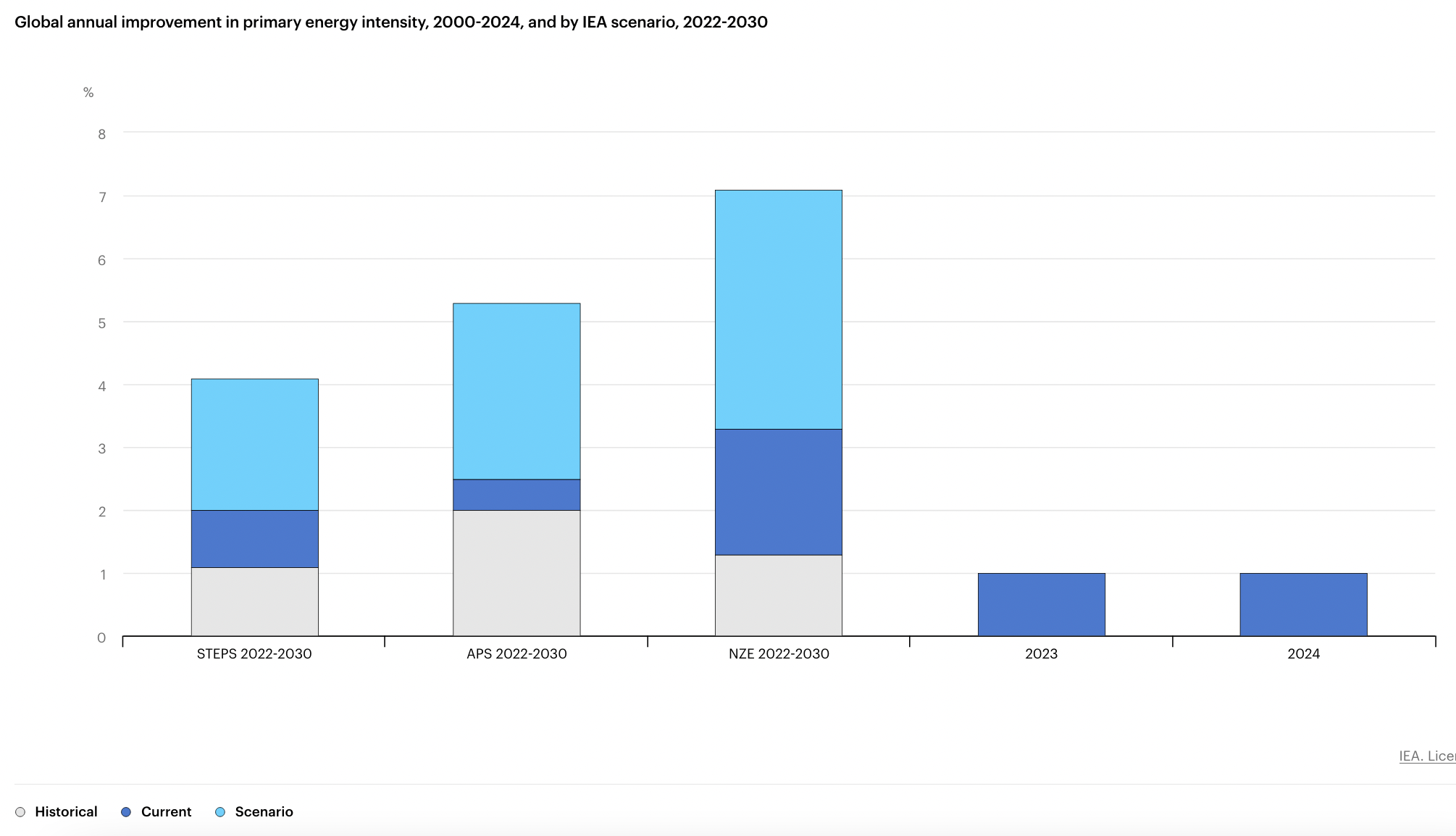 Vir: IEA

You must be logged in to post a comment.