While there is no question Russia invaded Ukraine, the ultimate cause of the war was the West’s decision – and here we are talking mainly about the United States – to make Ukraine a Western bulwark on Russia’s border. The key element in that strategy was bringing Ukraine into NATO, a move that not only Putin, but the entire Russian foreign policy establishment, saw as an existential threat that had to be eliminated.
Of course, the opponents of NATO expansion were correct, but they lost the fight and NATO marched eastward, which eventually provoked the Russians to launch a preventive war. Had the United States and its allies not moved to bring Ukraine into NATO in April 2008, or had they been willing to accommodate Moscow’s security concerns after the Ukraine crisis broke out in February 2014, there probably would be no war in Ukraine today and its borders would look like they did when it gained its independence in 1991. The West made a colossal blunder, which it and many others are not done paying for.
This paper examines the likely trajectory of the Ukraine war moving forward. 1
I will address two main questions.
First, is a meaningful peace agreement possible? My answer is no. We are now in a war where both sides – Ukraine and the West on one side and Russia on the other – see each other as an existential threat that must be defeated. Given maximalist objectives all around, it is almost impossible to reach a workable peace treaty. Moreover, the two sides have irreconcilable differences regarding territory and Ukraine’s relationship with the West. The best possible outcome is a frozen conflict that could easily turn back into a hot war. The worst possible outcome is a nuclear war, which is unlikely but cannot be ruled out.
Second, which side is likely to win the war? Russia will ultimately win the war, although it will not decisively defeat Ukraine. In other words, it is not going to conquer all of Ukraine, which is necessary to achieve three of Moscow’s goals: overthrowing the regime, demilitarizing the country, and severing Kyiv’s security ties with the West. But it will end up annexing a large swath of Ukrainian territory, while turning Ukraine into a dysfunctional rump state. In other words, Russia will win an ugly victory.
Monthly Archives: junij 2023
Kaj bi pomenila jedrska vojna
Tole je … huh! Konec sveta
Victoria Nuland had a hand in every US intervention in the past 30 years
Material za vohunsko dramoleto: Prigožinov poskus puča, ki to ni bil, ali pač
O tem se bodo še pisali romani. Čakamo na novega Johna Le Carra, Roberta Ludluma, Grahama Greena ali vsaj Fredericka Forsytha.
Not sure why I want to weigh in on the Wagner operetta, with so many unknowns & a frankly bizarre scenography.
I find the idea of a Russia-initiated psyop implausible.
With everything already going RF’s way, militarily but also geopolitically–RF ideally positioned for a long war, economy & society humming along, positive vibes all round–there is *almost* no outcome of a successful op… (setting aside the potential downsides not just of failure but in success also–e.g., dead pilots) worth doing this. The one potential exception to this is perhaps that the Russia Civil War prospect might ensure that the ZNPP false-flag goes back on the shelf for a while.
The Civil-War scenario also makes more likely the continued & even increased levels of the same feckless NATO “equip, guide and train” strategy used to date (rather, say, than the more desperate coalition of the willing).
After taking in some perspectives–Johnson, Giraldi, @imetatronink–the most plausible hypothesis I can offer (myself):
Ukrajina: Vojaška analiza – začetek konca
Marko Golob
“Nikoli ne oviraj nasprotnika, kadar dela napačen manever” (Napoleon Bonaparte)
Pred 2 mesecema, v aprilu 2023, je načelnik poljskega generalnega štaba Raymund Adrzeyczak omenil:
“War always was, is, and there is nothing to indicate otherwise – a matter of politics, and in its determinants has a substantial number of economic factors: finance, infrastructure issues, social issues, technology, food production and a whole set of problems that must be put into this box to understand this conflict,… “When I look at the conflict in Ukraine, I mainly see it through these political lenses, and unfortunately it does not look good,…,there is “nothing” to indicate that Russia will not have the resources to continue operations. ”
in v nadaljevanju:
many Western leaders still don’t seem to realize how far Ukraine is from “winning” against Russia, saying the Western bloc “just doesn’t have the ammunition, industry is not ready not only to send equipment to Ukraine, but to replenish our own stocks, which are melting. This awareness is not the same there as it is here on the Vistula River, and it must be communicated firmly, without an anesthetic, to everyone and in all forums, wherever possible, which is what I’m doing,”
Poljaki niso ravno poznani po rusofilstvu in težko bi kdo očital poljskemu generalu, da navija za rusko stran. Bolj verjetno je bila že takrata situacija tako akutna, da je zahtevala javno intervencijo iz mesta najvišje vojaške avtoritete. Povedano z drugimi besedami, general Andrzeyczak je začel biti plat zvona. Pa ni bil edini. Tudi tako rusofobni predstavnik, kot je upokojeni angleški general Sir Richard Shirreff bivši namestnik poveljnika Nata v Evropi pravi (Newsweek 13.6.2023 “NATO Has Switched to War Footing With Russia«, da NATO ni pripravljen na vojno z Rusijo, in zaključi :
“Am I confident that NATO will really be able to generate conventional forces ready for a conventional war with Russia? No, am not!”
Sankcije proti Rusiji odlično delujejo. Vendar na žalost bolijo tiste, ki so jih uvedli
Tole prezentacijo sem imel aprila na EF Talku. Morda pride komu prav kakšna informacija glede delovanja sankcij proti Rusiji v praksi.
Kako je globalizacija pojedla Ameriko
O tem sem zelo veliko pisal že pred desetimi leti (tukaj in tukaj) in napovedoval, da bo “globalizacija požrla svoje starše“. Torej, da bo globalizcija kot bumerang udarila nazaj predvsem ZDA, ki so svojo proizvodnjo preselile v tujino, saj se je veliko bolj splačalo živeti od visokih marž pri prodaji končnih izdelkov, kot so iPhoni ter od igračkanj na borzi, medtem pa je ta deindustrializacija izvotlila srednji razred, povečala neenakost in posledično na oblast naplavila populiste. To je bilo jasno že pred več kot desetletjem, vendar so me takrat malce nejeverno in sumnjičavo gledali, ko sem predaval in pisal o tem.
No, vmes se je zgodila še Kitajska – njen fenomenalni tehnološki vzpon, ker je Kitajska namesto v orožje (kot ZDA) 4-krat več vlagala v znanost, raziskave in razvoj. Desetletje kasneje je Kitajska prva na svetu na Nature indeksu najbolj kvalitetnih znanstvenih objav, prva je pri 34 od 43 najbolj kritičnih tehnologij, absolutno dominira tako v proizvodnji solarnih panelov kot inštalaciji jedrskih elektrarn, prva je pri izvozu avtomobilov in prva pri izvozu električnih avtomobilov. Danes, paradoksalno, Japonci uvažajo kitajske električne avtomobile, jih razstavljajo in prek reverse inženiringa ugotavljajo, kako so narejeni.
In Kitajska ima načrt. Ima grand plan. Pred 30 leti je bilo to zavzetje ključnih virov surovin povsod po planetu, od 2012 pa je to ojačano z iniciativo Belt & Road, ki ustvarja tesno gospodarsko sodelovanje v Evraziji in Afriki. Kitajska je razvila svojo globalno integracijo, brez da bi kdo to zares opazil.
No, in ker je Kitajska dramatično prehitela ZDA tako glede obsega industrijske proizvodnje (31% svetovni delež) kot tehnoško ter tudi vojaško (razvila je nadzvočne rakete srednjega in dolgega obsega, o katerih lahko v ZDA samo sanjajo), ker ima Kitajska svojo globalno integracijo, imamo danes to hladno vojno, ki so jo uvedle ZDA. Namesto ameriško sponzorirane globalizacije imamo ameriški protekcionizem in se bojimo vojne glede Tajvana, konflikt, ki so ga absolutno enostransko in iz nič sprovocirale ZDA.
Globalizacija, ameriški otrok, je pojedla svoje starše in zdaj bi se ZDA, tako kot od leta 1865 naprej s Careyevim protekcionizmom, rade reševale s tehnološkim protekcionizmom. Takrat proti Veliki Britaniji, danes proti Kitajski. Vendar je to šele začetek padca ZDA. Kajti ZDA so v paničnem strahu hegemona, ki je izgubil prevlado začele s serijo sprovociranih konfliktov (Sirija, Ukrajina, Tajvan), pri čemer pa so na svojo nesrečo naletele na zid držav v razvoju, ki se pod vodstvom Kitajske (industrija, tehnologija, grand plan) in Rusije (energija, vojska, hrana, surovine) ter njunega projekta BRICS+ ne boji grizenja in brcanja oslabelega hegemona in ki si aktivno želi ustvariti protipol, ki bo močnejši od ZDA. Ker imajo od tega večje koristi kot od globalizacije ameriškega tipa.
Spodaj je dober kratek povzetek dogajanja. Nekaj, kar se lahko da na 3 strani powepoint prezentacije o ameriškem padcu z globalnega prestola ter paničnem grizenju in brcanju in iskanju oprimka. Ki ga ni.
Inflacija: Kje smo? Kakšne so napovedi?
Kdaj bo Slovenija po razvitosti dohitela Avstrijo?
Bine Kordež
V nedavnem tekstu o obsegu bruto domačega proizvoda na prebivalca sem ocenjeval, da bi lahko Slovenija ob nadaljevanju dosedanjih gibanj, razvitejše države po BDP dosegla čez petnajst, dvajset let, Avstrijo pa še kasneje. Dobil sem vprašanja, kdaj konkretno, zato v nadaljevanju še nekaj dodatnih podatkov in ocen.
Pri tem je na začetku potrebno izpostaviti, da je vsako takšno dolgoročno napovedovanje gibanj s stališča matematike dokaj enostavno, precej bolj vprašljivi pa so izračunani rezultati. Vemo, da je npr. BDP na prebivalca Slovenije od leta 2005 realno (v stalnih cenah) naraščal po 1,8 % letni stopnji, avstrijski pa po 0,8 % na leto in če bi se takšni trendi nadaljevali, bi Avstrijce ujeli okoli leta 2080, torej čez več kot 50 let. Vprašljivost takšnih izračunov pa lepo pokaže dogajanje v Italiji.
Reconstructing Ukraine

The 2023 Ukraine Recovery Conference (URC23) ended in London last Friday. It was a continuation of the cycle of meetings beginning in 2017.
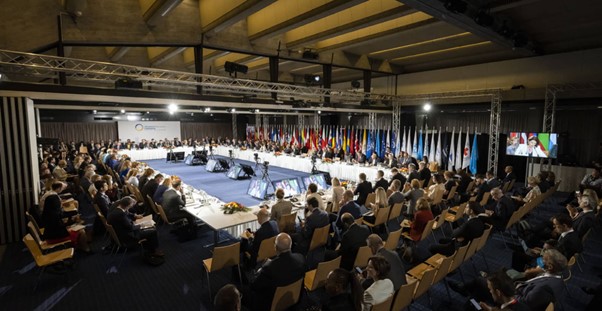
The London URC aimed to build on the commitments agreed last year at Lugano, and the work of the Multi-Agency Donor Coordination Platform for Ukraine. It was attended by hundreds of corporate leaders and governments. The Lugano conference was the basis for the planned invasion of foreign capital and multi-nationals into Ukraine once the war was over.
However, as the war drags on, with many more thousands dying in battle and civilian infrastructure in Ukraine being decimated by Russian missiles (and parts of Russian territory now being hit), Western governments and multi-nationals are aiming to speed up the reconstruction of Ukraine as a bulwark within EU and NATO spheres even while the war continues.
The EU has now announced a $50bn investment aid to Ukraine and the…
View original post 1,424 more words
 DAMIJAN blog
You must be logged in to post a comment.