Trump nima dobrih možnosti umika iz vojne proti Iranu. Vse so slabe ali slabše


When the man who wrote The Israel Lobby and US Foreign Policy says there’s no way out, it reads like a coroner’s report.

Piers Morgan asked John Mearsheimer the direct question. What’s the exit?

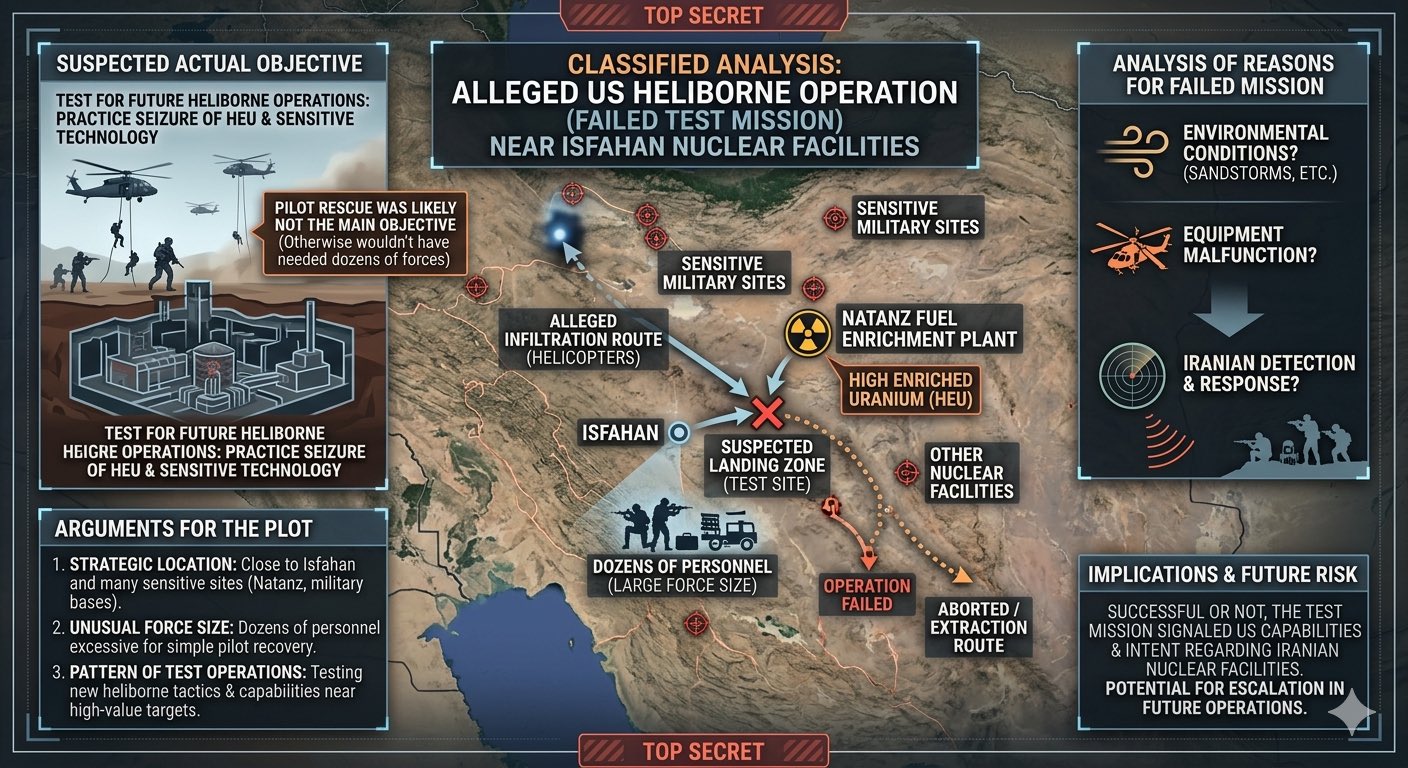
“Most of them say that President Trump should quickly declare victory and withdraw from the war. He can do this, but it will be perceived as a humiliating defeat for the US. Moreover, the Iranians may not agree to end the war. And, as I already said, the Iranians have many cards to play. They can inflict significant losses. Therefore, even if we retreat, it’s unclear whether this will solve the problem. The US will still look like it has suffered a humiliating defeat. Therefore, I think President Trump has put himself in a situation where he really doesn’t have a good exit strategy.”

This is a West Point graduate, a former Air Force officer, the scholar who spent two decades mapping exactly how America gets dragged into wars for Israel.

Stay in the war? Humiliation. Retreat? Cosmic humiliation and the eviction from most of the Middle East. Iran holds stronger cards and has only played a few.

Trump promised a generation of winning. He got a generation’s worth of losing compressed into 20 days. The Gulf on fire. The Strait closed to the West. And Bibi in a bunker hinting that maybe the Iranian regime survives after all. Of course it does, the maybe is whether is own regime survives.

Trump  got his war with Iran and history won’t care that it was on orders from Israel. Now he owns the humiliation with “no good exit strategy.”

https://twitter.com/IslanderWORLD/status/2034821348770337137

Ali ta eskalacija pomeni konec arabske ere in petrodolarja?

Izraelska eskalacija z napadom na skupno iransko-katarsko največje nahajališče plina na svetu, ki je izzvala povračilne napade Irana na naftno infrastrukturo v zalivskih državah, se zdi kot zadnji udarec pred sodnim dnem za vse vpletene strani – za Izrael, Iran in zalivske države. Vsi bodo ostali brez energetske infrastrukture, Izrael pa tudi brez države. Le še na naslednjo stopnjo eskalacije – jedrsko – je treba počakati. 

Težko je verjeti, da se je vse skupaj začelo s tistim nepremišljenim oziroma neumnim ameriško-izraelskim napadom na osnovno šolo v Iranu.

ISRAEL JUST MADE THE SINGLE MOST DANGEROUS MILITARY DECISION OF THE ENTIRE WAR. AND NOBODY UNDERSTANDS WHAT THEY JUST TRIGGERED.

Israel and the U.S. struck South Pars — the LARGEST gas field on the planet. But here’s what they either didn’t know or didn’t care about: South Pars is jointly managed by Iran AND Qatar. They didn’t just attack Iran. They attacked the energy backbone of their OWN Gulf allies.

Let that sink in.

  • The IRGC just declared ALL major energy facilities across the entire GCC as “direct and legitimate targets” — and warned strikes are coming in the “COMING HOURS.”
  • Listed targets: Qatar’s LNG complex, Saudi Aramco facilities, UAE oil terminals — EVERYTHING.
  • Saudi Aramco has already EVACUATED workers from the SAMREF refinery in Yanbu. They’re not waiting. They KNOW what’s coming.
  • Iranian hackers have ALREADY hit Aramco’s digital systems — posting images and issuing threats to PARALYZE their infrastructure.
  • Multiple EXPLOSIONS just heard in Riyadh — confirmed by Reuters, AFP, and AP. Sirens sounding in the Saudi capital.

Do you understand the scale of what’s happening?

Nadaljujte z branjem

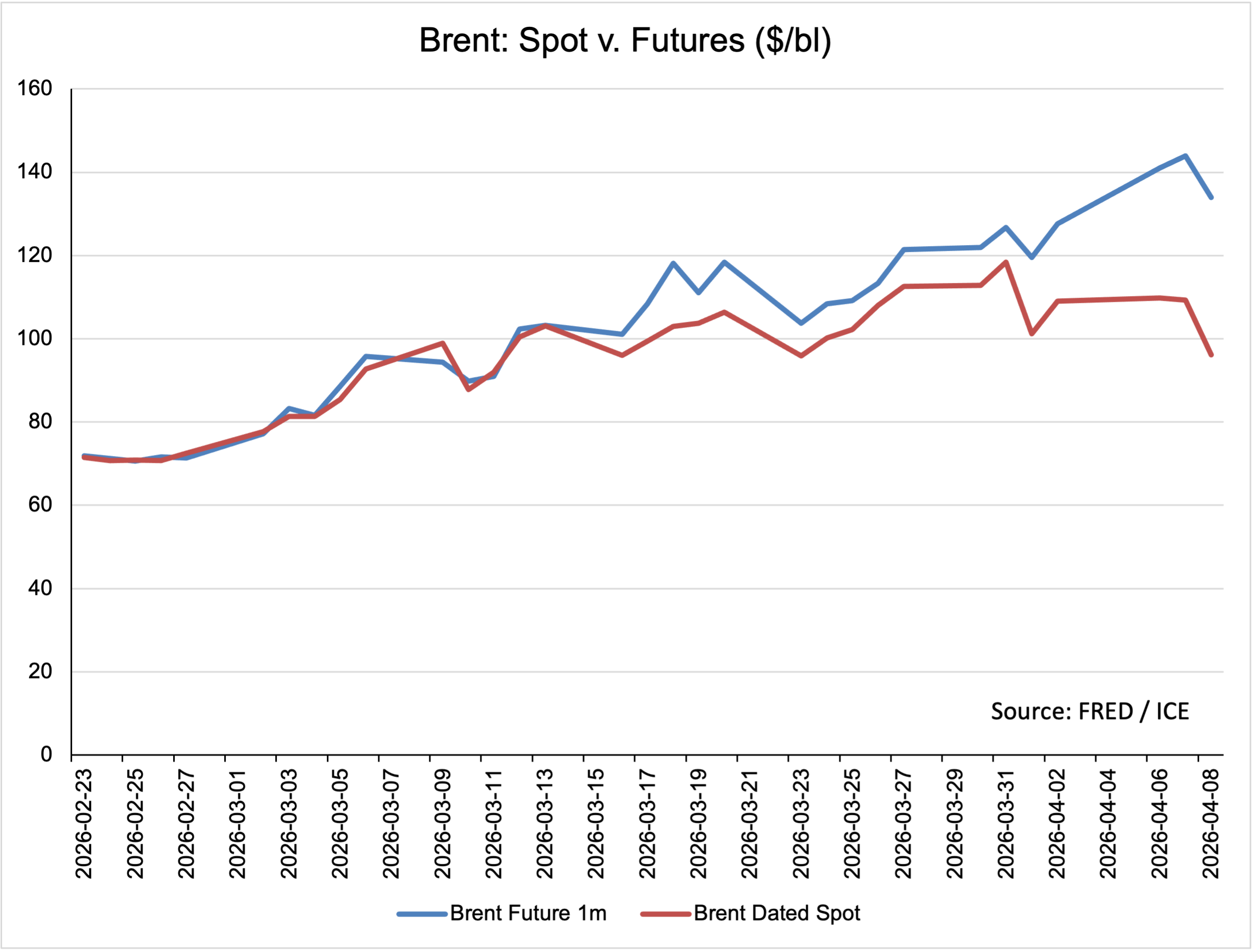
Ekonomski učinki zaprtja Hormuške ožine za EU

S pomočjo »mučenja« štirih različnih modelov umetne inteligence sem poskušal ugotoviti, kakšni so potencialni učinki zaprtja Hormuške ožine za države EU. Naročil sem jim, naj pripravijo scenarije za 8-tedensko zaprtje ožine in za dinamiko učinkov na ključne indikatorje (cene nafte, cene goriv, cene plina, cene hrane, inflacijo, cene gnojil, borzni indeks DAX), pri čemer naj upoštevajo dejansko dogajanje do 18.3. letos in analogije s preteklimi največjimi naftnimi in plinskimi šoki (1973, 1979, 2003, 2022). Spodaj je editirana verzija »konsenza« štirih modelov UI.

Zaprtje Hormuške ožine za EU ne pomeni toliko neposrednega fizičnega pomanjkanja, pač pa predvsem vprašanje posrednih učinkov prek globalno oblikovanih cen energije, gnojil in industrijskih inputov. Skozi ožino v normalnih razmerah potuje okoli 20 % svetovne trgovine z nafto in približno 20 % svetovne trgovine z LNG, zato je že delna zapora dovolj, da premakne globalno cenovno krivuljo. Poleg energentov so ogroženi tudi tokovi amoniaka, uree in žvepla, kar je pomembno za kmetijstvo, ter helija iz Katarja, ki je ključen za polprevodnike, medicinsko opremo in kriogene procese. Pri kovinah pa motnja ne prizadene le aluminija iz Zaliva, temveč tudi posredno procesiranje niklja in kobalta, saj je to odvisno od žvepla in žveplove kisline.

Za EU to pomeni dvoje. Prvič, neposredna izpostavljenost ni zanemarljiva, vendar je posredna bistveno večja: cene nafte, plina in ladijskega zavarovanja se formirajo globalno, ne nacionalno.

Nadaljujte z branjem

Iluminati?

Kdo je Peter Thiel?

Peter Thiel, rojen leta 1967 v Frankfurtu kot nemško-ameriški podjetnik, venture kapitalist in politični aktivist, je dosegel bogastvo predvsem prek soustanovitve PayPala (skupaj z Elonom Muskom) leta 1998, ki ga je eBay kupil za 1,5 milijarde dolarjev leta 2002, kar mu je prineslo več sto milijonov dolarjev; nadaljeval je z investicijami, kot je prvi zunanji vložek v Facebook leta 2004, in soustanovitvijo Palantir Technologies leta 2003, podjetja za analizo velikih podatkov, ki je danes vredno več deset milijard dolarjev, njegovo osebno premoženje pa po ocenah iz decembra 2025 znaša okoli 27,5 milijarde dolarjev.

Njegova kontroverzna vloga pri sistemih za nadzor izhaja iz Palantirja, ki je financiran s strani CIE in zagotavlja tehnologijo za masovno zbiranje podatkov, prediktivno policijo in vladni nadzor, kar je kritizirano kot kršitev zasebnosti – podjetje sodeluje z agencijami kot so NSA, ICE in policija v ZDA, kjer je uporabljeno za sledenje migrantom in napovedovanje kriminala.

V vojni v Gazi je Thiel prek Palantirja vpleten v podporo izraelski vojski od leta 2014, kjer podjetje zagotavlja AI-orodja za nadzor, ciljanje in generiranje seznamov tarč, kar je skaliralo med genocidom od 2023 naprej, kar je sprožilo kritike o sodelovanju pri vojnih zločinih in umik nekaterih investitorjev, kot je norveški sklad.

Thiel je na drugi strani vpliven podpornik desnice in je že dolgo predmet kontroverz zaradi mešanja tehnološkega elitizma, političnega aktivizma in radikalnih idej. Financiral je kampanjo Donalda Trumpa in JD Vancea, njegovo podjetje Palantir pa je kritizirano zaradi sodelovanja pri vladnem nadzoru in masovnem zbiranju podatkov. Ključni vir njegove kontroverznosti je esej iz leta 2009 z naslovom The Education of a Libertarian (objavljen v Cato Unbound), kjer je zapisal: »I no longer believe that freedom and democracy are compatible« (»Ne verjamem več, da sta svoboda in demokracija združljivi«). V Financial Timesu so to tezo večkrat omenjali kot temelj njegove politične filozofije – nazadnje v članku iz februarja 2025 o podobnih pogledih Elona Muska, kjer FT poudarja, da Thiel po finančni krizi vidi demokracijo kot oviro za resnično svobodo. Podrobneje razlaga, da sta od leta 1920 »ogromno povečanje števila prejemnikov socialne pomoči in razširitev volilne pravice na ženske – dve skupini, ki sta za libertarce izjemno problematični – spremenili »kapitalistično demokracijo« v oksimoron, saj te volilne baze glasujejo za redistribucijo, regulacijo in državno intervencijo, ki dušita inovacije in individualno svobodo. Thiel ne predlaga odvzema volilne pravice (v pojasnilu je zapisal, da bi bilo to »absurdno«), temveč »beg« iz politike prek tehnologije: kibernetski prostor, seasteading (plavajoče avtonomne kolonije na morju) ali vesolje, kjer bi lahko ustvarili prostore brez vladnega nadzora. To je videl kot »smrtno tekmo« med politiko in tehnologijo, kjer demokracija vodi v stagnacijo, prava svoboda pa zahteva izstop iz nje.

Nadaljujte z branjem

Kriza pred nami: Kombinacija naftnega šoka 1979 in finančnega zloma 2008

Richard Bookstaber je eden tistih, ki je napovedal finančno krizo 2008. Svoj komentar v New York Timesu začne takole:

At the start of the 2008 financial crisis, I was at a hedge fund. By its end, I was at the U.S. Treasury. At both, I worked with people only a few years out of college. The drama of 2008 was all they knew about financial markets. “Remember what’s happening,” I told them. “You’ll never see anything like this again.”

Now I’m not so sure. Maybe they’ll see worse.

Bookstaber opozarja, da se svet ponovno približuje obdobju povečane finančne ranljivosti, podobno kot pred krizo leta 2008, čeprav je dolgo verjel, da se takšna situacija ne bo ponovila. Po njegovem mnenju so trenutna tveganja celo bolj razpršena in kompleksna kot takrat.

Bookstaber izpostavlja, da so sodobna tveganja prisotna v različnih sektorjih – od umetne inteligence in zasebnega kreditiranja do delniških trgov in geopolitike (npr. Tajvan in Iran). Čeprav se ta tveganja pogosto obravnavajo ločeno, v resnici predstavljajo dele enotnega, tesno povezanega sistema. Ključna nevarnost ni posamezen šok, temveč hitrost in način, kako se lahko ta šok razširi skozi celoten sistem.

Nadaljujte z branjem

Ray Dalio: Izguba nadzora nad Hormuško ožino je za ZDA lahko to, kar je bila izguba nadzora nad Suezom za V. Britanijo

Dobra in dolga razlaga. Vendar pa je Ray Dalio še vedno ujet v pretekliku in “če-ju”. Preteklika in če-ja ni več – ZDA so izgubile nadzor nad Hrmuško ožino in ga ne morejo dobiti nazaj pod nobenimi razumnimi pogoji. Kar pomeni, prvič, da Iran dobiva nadzor nad izvozom petine svetovne ponudbe nafte in s tem nad svetovnimi cenami nafte. In drugič, da so ZDA izgubile status globalnega hegemona, trgovinski in finančni tokovi bodo sledili zmagovalcu te vojne za ožino. In to sta Iran in Kitajska.

Comparing what is now happening with what has happened in analogous historical situations and triangulating my thinking with smart, well-informed leaders and experts has always helped me make better decisions. I have found that most wars are filled with big disagreements about what is likely to happen and big surprises. However, in the case of this Iran war, it is obvious, and there is near-universal agreement, that it all comes down to who controls the Strait of Hormuz. I hear from those who run governments, geopolitical experts, and people all over the world that if Iran is left with control over who can pass through the Strait of Hormuz, or is even left with the power to negotiate:

  1. The United States will be judged to have lost the war, and Iran will be judged to have won. That is because Iran controlling the Strait of Hormuz to use as a weapon would be a clear demonstration that the U.S. does not have the power to fix this situation.  The consequences of allowing Iran to shut down the most important strait in the world, through which the right of passage must be ensured at all costs, would be hugely damaging to the United States, its allies in the region (especially its Gulf allies), countries that depend most on its oil flow, the world economy, and the world order. If Donald Trump and the U.S. don’t win this war—with victory being easily measured by whether they can ensure safe passage through the Strait of Hormuz—they also will be perceived to have caused a disastrous situation they could not fix. Whatever the reason that the United States doesn’t win control of Hormuz—whether it is because anti-war politics threaten President Trump’s political control ahead of the upcoming mid-term elections and he is afraid of that, because of his and the American electorate’s lack of willingness to suffer the losses of lives and money required to win this war, because the U.S. doesn’t have the military power to get and maintain control, or because he cannot bring together other countries in a consortium to keep this strait open —it doesn’t matter.  President Trump and the U.S. will have lost.

My reading of history and sense of what is now happening leads me to believe that if the U.S. were to lose in this way, there would be a significant risk that losing control of Hormuz would be for the United States what the Suez Canal Crisis was for Great Britain (in 1956) and analogous defeats were for the Dutch Empire in the 18th century and the Spanish empire in the 17th century. The pattern of events that leads to the breakdown of empires is almost always the same.

Nadaljujte z branjem

Hormuški koridor

Hormuška ožina je 100 % pod iransko kontrolo. 

Iran je potegnil dve brilijantni potezi (če razmišljamo iz vidika nekoga, ki želi nadzirati prehod skozi ožino).

Prvič, miniral je ožino od sredine proti omanski obali in koridor potegnil v ozemeljske vode Irana, blizu iranske obale skozi majhen prehod med otokoma Qeshm in Larak. Da lahko preveri vsako ladjo.

In drugič, selektivni prehod za prijateljske države in za tovor, plačan v kitajskih juanih