Če so mediji še slavili velik “Ne” Zelenskega Trumpu na njegov prvi, brutalno izsiljevalski predlog Ukrajini (z dne 14.2.) za nadaljevanje ameriške podpore…
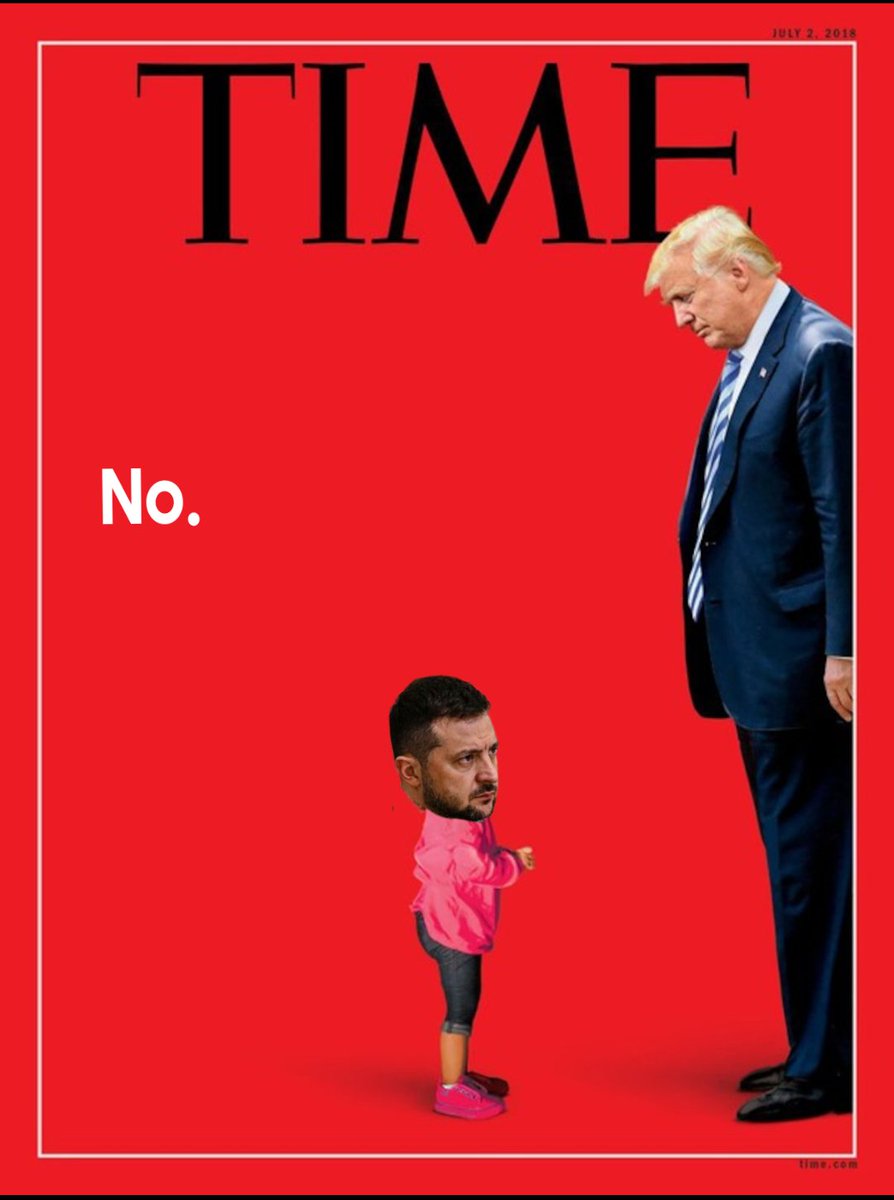
… pa očitno hrabrost in odločnost Zelenskega nista trajala dolgo. Trumpov javni stampedo osebno proti Zelenskemu in obisk ameriškega odposlanca Keitha Kelogga ta teden v Kijevu sta spremenila mnenje ukrajinskega vodstva, ki je nenadoma izrazilo interes za kooperativno sodelovanje. Včerajšnji New York Times objavlja novo verzijo ameriškega predloga Ukrajini (z dne 21.2.), ki je praktično identičen prvemu. Le da je še dodana eksplicitna cifra 500 milijard dolarjev, kolikor naj bi stala ameriška zaščita Ukrajine po koncu vojne.
Avtorja članka v NY Timesu ne razumeta bistva tega ameriškega predloga sporazuma. Ta ameriško-ukrajinski sporazum je treba razumeti kot “posel stoletja”, in sicer v smislu, da si ukrajinsko vodstvo s tem kupuje ameriške varnostne garancije. Kajti Američani bodo poskrbeli (tudi vojaško, če bo treba) za zaščito svojih gospodarskih interesov v Ukrajini. In cena za to je polovica vseh prihodkov od izkoriščanja ukrajinskih naravnih virov oziroma najmanj 500 milijard dolarjev.
Razumen človek bi se seveda vprašal, zakaj bi bilo ukrajinsko vodstvo pripravljeno plačati takšno absurdno visoko ceno za ameriško zaščito. Odgovor je preprost: ker ukrajinsko vodstvo boljše ponudbe ni dobilo in je ne more dobiti. Nova Trumpova administracija je ukrajinskemu vodstvu v prvem koraku povedala, da Ukrajini ne namerava dati nobenih varnostnih zagotovil (bodisi v obliki članstva v Natu bodisi v obliki ameriških sil v Ukrajini). Evropa pa takšnih varnostnih garancij ne more dati in tudi če bi jih dala, jih nima s čim zagotavljati, kar sta zelo boleče pokazala oba impotentna sestanka najmočnejših držav EU ta teden v Parizu. Zelenski in njegov krog so se tako pač očitno odločili za edini realistični predlog “zaščite”, ki so ga dobili.
Ukrajinski sprejem ameriškega brutalnega izsiljevalskega predloga spominja na sprejem mafijske zaščite s strani lastnikov gostinskih lokalov. Ker ne morejo računati na zaščito policije, pač morajo sprejeti zaščito mafije pred mafijo samo.
Če se vrnemo 3 leta ali 10 let nazaj, takrat Ukrajina ni potrebovala varnostnih garancij oziroma zaščite pred Rusijo. Potrebuje pa jo (menda) po koncu te vojne, ker so ZDA poskrbele s sprovociranjem te vojne, da bo Ukrajina (oziroma njen preostanek) potrebovala ameriško zaščito v nedogled in jo tudi primerno drago plačevala. Če razmislite, gre za genialno, čeprav skrajno barabinsko, ameriško potezo.
Na ukrajinskih tablicah bo tako v bodoče lahko pisalo: “Insured by mafia, pardon, USA“.
_____________
Ukraine on Saturday was seriously considering a revised American proposal for its vast natural resources that contains virtually the same provisions that Kyiv previously rejected as too onerous, according to a draft document of the new proposal.
Some of the terms appear even tougher than in a previous draft.
The proposed agreement would significantly shift onto a mercantile footing the United States’ three-year alliance with Ukraine in the largest war in Europe since World War II. The conflict to date has largely been seen as a struggle to secure Ukraine and the European continent from an authoritarian threat from Russia.
The Trump administration’s terms could also strip Ukraine of funds that are now mostly invested in the country’s military and defense industry, and that could help rebuild the country once the war is over.
The terms of the new proposal, which is dated Feb. 21 and was reviewed by The New York Times, call for Ukraine to relinquish to the United States half of its revenues from natural resources, including minerals, gas and oil, as well as earnings from ports and other infrastructure. A similar demand was made in a previous version of the deal, dated Feb. 14 and reviewed by The Times.
Ukraine had been floating the prospect of a partnership with the United States on its valuable natural resources as a way to persuade Mr. Trump to provide additional support for its war effort. President Volodymyr Zelensky had also been seeking security guarantees for Ukraine, a condition that was absent in the first draft agreement presented to him last week, prompting him to decline to sign the deal.
But while the new document calls for a series of commitments from Ukraine it still does not provide any specific security commitments in return from the United States. It says, however, that the United States intends to provide long-term financial support to help Ukraine develop economically.
The new document states that revenues from Ukraine’s resources would be directed to a fund in which the United States would hold 100 percent financial interest, and that Ukraine should contribute to the fund until it reaches $500 billion — the amount Mr. Trump has demanded from the war-torn country in exchange for American aid.
That figure far exceeds the country’s actual revenues from resources, which were $1.1 billion last year, and is more than four times the value of U.S. aid committed to Ukraine so far. The $500 billion sum was not mentioned in the previous version of the deal, though Mr. Trump had said publicly that it was what he wanted.
It is unclear whether Mr. Trump wants the funds in exchange for past American military and financial assistance, or whether it would also apply to future support.
Officials in Kyiv were studying the proposal on Saturday and deciding how to respond. Ukraine has not said whether it would agree to the deal under the proposed terms. Ruslan Stefanchuk, the speaker of Ukraine’s Parliament, told local media on Saturday that a government-level group would begin working on the agreement on Monday and that Ukraine wanted to receive specific security guarantees in exchange for access to its resources. It was not clear whether he meant that work would come before or after a deal is signed.
Ukraine has tried to resist a total capitulation to American demands on natural resources, but has faced intense pressure from President Trump, who views access to Ukraine’s vast mineral wealth as necessary repayment for the billions the United States has provided Kyiv for its war against Russia.
The document suggests the United States may send more aid to Ukraine in the future — but at a high price. It states that Ukraine will be required to contribute to the fund a sum equal to twice the amount the United States might give to Ukraine after the deal is signed.
The revised proposal states that the United States could reinvest a portion of the revenue into Ukraine’s postwar reconstruction, including by investing in the development of the country’s subsoil assets and infrastructure.
The new draft agreement also includes provisions for revenues from territories currently occupied by Russia, in the event they were freed: The share of resource revenues contributed to the fund from liberated areas would be 66 percent. Russia currently occupies about a fifth of Ukraine’s territory, including significant portions of the resource-rich Donbas region.
The document reviewed by The Times outlines the establishment of a fund to receive revenues from resource extraction and other sources. It lists as signatories Secretary of State Marco Rubio and Andrii Sybiha, Ukraine’s foreign affairs minister.
A second agreement, described as the Fund Agreement, would be concluded later to work out specific details.
…
A potential deal for Ukraine’s resources has been a major point of dispute in a rapidly deteriorating relationship between Mr. Zelensky and Mr. Trump. Their interactions became acrimonious in the last week as the American president assailed Mr. Zelensky in highly personal terms, calling him “an unelected dictator.”
The Ukrainian president, in turn, said that Mr. Trump was living in a “disinformation web” after Mr. Trump falsely claimed that Ukraine had started the war against Russia.
Mr. Zelensky’s initial hesitancy, and comments that were perceived by Mr. Trump and cabinet officials as public criticism of the president, prompted a fierce backlash from the Trump administration. That possibly led to the addition of further demands written into the agreement, according to drafts and people familiar with the discussions of the deal on the Ukrainian side.
Vir: New York Times


Igra. Ukrajinska vojska je kadrovsko v slabem stanju in da se ne ponovi Afganistan in da ne gredo milijarde v nič.. je treba zaigrat prisilo v premirje. Obojni vedo, da drugače nebi zdržali še eno leto.
Všeč mi jeVšeč mi je
Velika prednost Trump-ove administracije za ostali svet je, da naivne ovce (razen najbolj butastih) končno lahko vidijo, kakšno je pravo bistvo svetovne politike. Mislite, da je bilo prej kaj drugače, samo pojavna oblika je bila bolj mehka. Kot je nekoč ob prelomu stoletja govoril ameriški predsednik Teddy Roosevelt:
“Speak softly and carry a big stick”
Trump pač ne govori “softly”. V tem je vsa razlika.
Vprašenje pri tem je, kako bodo na to odgovorili Rusi. Da bi Rusi američanom plačevali od rudnih bogatstev, ki jih imajo v lasti v Ukrajini? Pozabite. Drugič, Rusi imajo Ukrajino za svoje tradicionalno interesno območje, vprašanje kako dolgo, če sploh bodo tolerirali ameriške interese na tem področju.
Tudi za američane velja v poslu z Zelenskim tako kot za Ruse. Formalno-pravno Zelensky ni zakonit predstavnik Ukrajine. Ukrajinska ustava je tukaj popolnoma jasna. S tem nimajo pravne veljave tudi vse pogodbe podpisane z njim.
Bodo šli Američani v vojno z Rusi za 500 milijard? Bo to kontra zahtevek, ko bodo Rusi hoteli nazaj svojih 300? Je vse skupaj oblika pritiska na Ukrajince? Ali pa je zadaj neka druga zgodba, bistveno bolj umazana kot vse kar smo videli doslej?
Počakajmo, kmalu bomo videli.
Všeč mi jeVšeč mi je