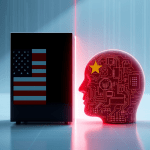
Paradoks DeepSeek ni samo v tem, da je “neki fant iz Kitajske” tako natreniral jezikovni program, da je boljši od najboljšega ameriškega, in da je to naredil za minimalni strošek kot svoj postranski projekt na prostih računalniških kapacitetah. Paradoks ni samo v tem, da je ta kitajski bot (jezikovni model) povsem odprt in da je s tem ubil možnosti profita Samu Altmanu iz OpenAI, ki si je pravkar obetal milijarde, ko je odprtokodno non-profit podjetje spremenil v for-profit podjetje. Paradoks je v tem, da so Kitajci pokazali, kako je mogoče biti iznajdljiv in inovativen, ko te v to prisilijo zunanje okoliščine (ameriške tehnološke sankcije). Ko iz nujnosti narediš inovacijo.
Veliko vprašanje je, če ne bi bilo za ZDA bolje, če ne bi od 2019 naprej sankcionirala kitajskih podjetij posamično in nato vse kolektivno, kajti kitajska podjetja bi še naprej uporabljala “ameriške” čipe iz Tajvana in ameriške jezikovne modele in ZDA bi obdržale svoje tehnološko vodstvo.
The hype around Artificial Intelligence, the now failed U.S. attempt to monopolize it, and the recent counter from China are a lesson in how to innovate. They also show that the U.S. is losing the capability to do so.
…
But the hype continued. One big AI model, ChatGPT, was provided by a non-profit organization, OpenAI. But its CEO, Sam Altman, soon smelled the big amount of dollars he potentially could make. A year after defending the the non-profit structure of OpenAI Altman effectively raided the board and took the organization private:
ChatGPT-maker OpenAI is working on a plan to restructure its core business into a for-profit benefit corporation that will no longer be controlled by its non-profit board, people familiar with the matter told Reuters, in a move that will make the company more attractive to investors.
…
Chief executive Sam Altman will also receive equity for the first time in the for-profit company, which could be worth $150 billion after the restructuring as it also tries to remove the cap on returns for investors, sources added.
The ChatGTP large language model OpenAI provided was closed source. A black-box, running in the cloud, that one could pay to chat with or use for translating, content generation or analyzing certain problems.
The training and maintaining of ChatGTP took large amounts of computing power and money. It was somewhat expensive but there was no new technology in it. The algorithms it used were well known and the training data needed to ‘program’ it were freely available internet content.
For all the hype about AI is is not a secret or even new technology. The barriers to entry for any competition is low.
That is the reason why Yves at Naked Capitalism, pointing to Edward Zitron, asked: “How Does OpenAI Survive?” It doesn’t. Or has little chance to do so. Discussions in the U.S. never acknowledged those facts.
Politicians thought of AI as the next big thing that would further U.S. control of the world. They attempted to prevent any potential competition to the lead the U.S. thought it had in that field. Nvidia, the last leading U.S. chip maker, lost billion when it was prohibited from selling in latest AI-specialized models to China.
Nadaljujte z branjem→

 DAMIJAN blog
You must be logged in to post a comment.