Spodaj je zanimiv članek, ki ga je v reviji Nature objavila skupina srbskih raziskovalcev (Đorđević et al, 2024) o socioekonomskih vidikih pridobivanja litija v zahodni Srbiji (Jadar). Kot veste, gre za afero, ki se vleče že dolga leta. Srbska vlada je pred leti dala koncesijo globalni družbi Rio Tinto za izkoriščanje nahajališča litija in bora v nahajališču Jadar. Z litijem iz tega nahajališča naj bi bilo mogoče pokriti 90 % evropskih potreb po litiju. Po dolgih demonstracijah srbskega prebivalstva je leta 2022 srbska vlada umaknila svojo odločitev. No, letos se je zadeva (z odločitvijo sodišča o protiustavnosti odločitve vlade o preklicu koncesije) spet odprla in Rio Tinto je ponovno dobil zeleno luč od srbske vlade, srbsko prebivalstvo je spet na okopih proti temu projektu zaradi negativnih ekoloških posledic pridobivanja litija. Najbrž ste zasledili posnetke iz Bolivije ali Čila, ki kažejo v kaj se spremeni pokrajina, kjer se koplje in nato kemično predeluje litij.
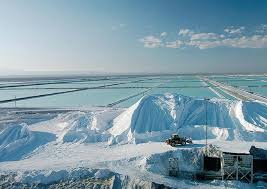

Projekt močno podpirajo Evropska komisija in ZDA. Pomočnik sekretarja na ameriški ambasadi v Beogradu tudi javno močno forsira ta projekt in zatrjuje, da bo pridobivanje litija v skladu z najvišjimi ekološkimi standardi.
No, v nasprotju s tem raziskovalci Đorđević et al (2024) pravijo, da negativni ekološki učinki zaradi pridobivanja litija in bora ne odtehtajo koristi. In sicer pravijo, da bi bilo izkopavanje litijeve rude na naseljenem in kmetijskem območju prvi in edinstven tak primer na svetu. Gradnja rudnika in predelovalne tovarne v istem industrijskem kompleksu za pridobivanje litija in bora naj bi uničila življenjske aktivnosti približno 20.000 prebivalcev lokalne skupnosti. Rudnik in predelovalnica naj bi se nahajala nad največjim rezervatom podzemne pitne vode v zahodni Srbiji, jalovina pa naj bi se odlagala med dvema hudourniškima rekama, ki poplavljata polje vsakih nekaj let.
Velik problem, povezan z izkoriščanjem litija v svetu, je agresiven proces kemične ekstrakcije, ki vključuje ogromne količine koncentriranih mineralnih kislin, predvsem koncentrirane žveplove kisline. Poraba ogromne količine vode za proizvodnjo litijevega karbonata bi posledično povzročila ogromne količine odpadne vode, ki bi predstavljala veliko trajno onesnaževalno nevarnost za površinske in podzemne vode. Čeprav se zdi, da ima litij pomembno vlogo pri zmanjševanju emisij toplogrednih plinov, se v procesu proizvodnje litijevega karbonata iz rud porabi ogromno energije iz fosilnih goriv, emisije CO2 pa so znatne. Pridobivanje litija iz rudnikov in proizvodnja litijevega karbonata ne prispeva k zmanjšanju emisij CO2.
Raziskovalci zaključijo, da se litija na nahajališču Jadar iz vidika okoljskih tveganj ne splača izkopavati, ker je edino na svetu, kjer je predvideno pridobivanje litija na poseljenem in rodovitnem kmetijskem območju. Pri čemer naj bi pridobivanje litija zagotovo uničilo enega od le treh vodnih območij v Srbiji. Poleg tega to nahajališče z okrog 1 % svetovne rezerve litija naj ne bi ponujalo količin, ki bi rešile problem podnebnih sprememb na svetovni ravni.
Spodaj je nekaj odlomkov iz uvoda in sklepa članka.
Introduction
The power supply and transportation sectors are the largest global emitters of greenhouse gases (GHGs)—the major drivers of climate change1. The adoption of low-carbon technologies is one of the generally accepted measures to minimize the effects of climate change2. These modern technologies are heavily reliant on lithium-ion and other batteries that require cobalt, copper, nickel, graphite, manganese, and other metals and minerals3. Lithium-ion batteries, capable of storing high density of energy, require new amounts of lithium from nature, partially because the existing batteries are insignificantly recycled4,5.
Despite lithium’s abundance on Earth, there are not many concentrated deposits, or “reserves”, that can be profitably extracted6. The so-called Lithium Triangle, which includes regions of Chile, Argentina, and Bolivia, contains the majority world’s lithium deposits7. The largest lithium deposits in the world8 are stored in the lithium triangle brines (up to 70%) and significantly less in the form of ore rocks (about 10%), among which are spodumene, lepidolite, hectorite, and jadarite9. The easiest and least environmentally damaging method of exploiting lithium is from brines, while exploitation from ore rocks has severe environmental consequences10. Therefore, lithium mining is usually conducted in deserts and uninhabited areas of Australia, Chile, China, Argentina, Canada, Zimbabwe, and the United States11. Recently, the exploitation of lithium has been considered in two populated areas in Portugal and Serbia12,13.
As China now controls most of the lithium-ion battery supply chain, with 80% of the world’s raw material refining, 77% of the world’s cell capacity, and 60% of the world’s component manufacturing, the European Commission has encouraged mining projects within Europe14. Obradovic et al. were the first to report on a high content of lithium and boron in Jadar Valley in 199915, Republic of Serbia, and mineral jadarite was characterized in 2007 by Whitfield et al.16. According to recent reports17, the deposits found in Jadar valley are substantial and have the potential to meet up to 90% of Europe’s current lithium requirements. Nevertheless, it should be noted that Jadar’s lithium content represents only about 1% of global reserves11.
Rio Tinto, a multinational mining corporation, has been exploring mineral deposits for over 15 years and has planned to open a lithium mine in Serbia. Rio Tinto completed the geological exploratory stage of the Jadar project in January 2020, following multiple experimental drillings aimed at exploring jadarite, a new source of lithium13. The company received political support from Serbian authorities in June 2021. Our initial results of the analyses of selected chemical elements from the Jadar mining zone in local soil and river water indicate that the environmental impact during the exploration phase is evident around the potential Jadar mine area and exceeds the zone of the planned mine.
Initial exploratory drillings entailed the claims from the local population regarding the observed significant negative effects of groundwater by-production on soil and water quality. Such concerns have been augmented by existing information on the negative impacts of lithium mining on water usage, biodiversity loss, and waste generation elsewhere18,19,20. A petition opposing the mine’s opening garnered over 292,000 signatures21, leading to protests, road blockades, and political tensions22. Moreover, the scientific debate has raised concerns over the ecological, environmental, and technological risks, especially considering the questionable technology solutions of jadarite processing. Rio Tinto submitted a patent application for a mineral recovery process in 2018, with EPO granting the patent only on July 05, 2024.
Although governmental policies and the industry’s push towards sustainable energy sources to reduce CO2 emissions have been powerful narratives, they have also served as a barrier to discussion on the negative impacts of lithium battery usage, including recycling thereof. Bibliometric research reveals that the majority of published studies come from lithium-consuming countries and predominantly center on the life cycle of the battery and its costs23. Only around 5% of these studies focus on the socio-environmental impacts, with just 2% coming from lithium-producing countries23,24,25,26,27. This imbalance in information availability presents a major concern and serves as an urgent call to expand the research by including a holistic examination of lithium mineral extraction and its socio-environmental impact.
This paper aims to examine and assess the ecological, eco-chemical, and socio-environmental hazards associated with the experimental drilling activities and the proposed lithium mine in Jadar, Serbia.
…
Conclusion
The lithium ore excavation in Western Serbia (Jadar) in a populated and lively agricultural area would be the first and unique such a case in the World. The construction of a mine and processing plant, within the same industrial complex, for the extraction of lithium and boron would destroy the life activities of about 20.000 people of the local community which already make a very good living. The company plans to place a mine and processing plant in the mid of fertile soil surrounded by settlements that resides above the biggest reserve of underground drinking water in western Serbia, and also tailings dump waste between two torrential rivers that are flooding the field every couple of years. The big problem related to the exploitation of lithium in the world is the aggressive chemical extraction process that involves huge amount of concentrated mineral acids, primarily concentrated sulfuric acid. The consumption of enormous amount of water to produce lithium carbonate consequently would generate vast amounts of wastewater which would be of great permanent polluting threat to the surface and underground water. Although it appears that lithium plays a significant role in reducing GHG emissions, a huge amount of energy from fossil fuels are consumed in the process of production of lithium carbonate from ores and CO2 emissions are significant. Lithium extraction from mines and lithium carbonate production does not contribute to reduction of CO2 emission.
The lithium deposit in Western Serbia is not worth mining in terms of environmental risks because it is the only one in the world where lithium extraction is planned in a populated and fertile agricultural area, and most importantly it will certainly destroy the one of only three water-bearing areas in Serbia. Also, this deposit with ~ 1% of global lithium reserve does not offer the amount that will solve the climate change problem globally.
Vir: Đorđević, D., Tadić, J.M., Grgur, B. et al. The influence of exploration activities of a potential lithium mine to the environment in Western Serbia. Sci Rep 14, 17090 (2024). https://doi.org/10.1038/s41598-024-68072-9
 DAMIJAN blog
Vsi bi zeleno, ampak NIMBY.
Všeč mi jeVšeč mi je